Fuel Price Hike Crashes Sales as Filling Stations Record Massive Drop in Daily Demand
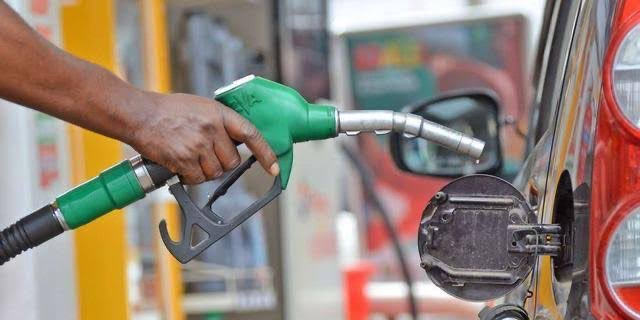
Fuel Price Hike Crashes Sales as Filling Stations Record Massive Drop in Daily Demand

Fuel demand across Nigeria has dropped sharply following recent increases in pump prices.
Oil marketers report a steep decline in daily sales. Many filling stations now struggle to move stock.
The shift reflects rising pressure on consumers and businesses.
Sharp Drop in Daily Fuel Sales
Members of the Independent Petroleum Marketers Association of Nigeria report major losses.
Stations that previously sold up to 10,000 litres daily now sell between 1,000 and 300 litres.
This represents a drop of over 70 percent in some areas.
The change happened quickly after pump prices increased.

Why Demand Fell
Higher prices reduced purchasing power.
Consumers are adjusting fast:
Fewer daily trips
Reduced private car use
Increased reliance on public transport
Delay of non essential travel
Small businesses also cut fuel usage.
Generators run less. Delivery schedules are reduced.
Fuel is no longer a routine expense. It is now a controlled cost.

Impact on Filling Station Operators
Marketers face declining revenue.
Fixed costs remain:
Staff salaries
Logistics
Storage and maintenance
Lower sales volume means tighter margins.
Some operators risk shutting down if the trend continues.
Cash flow pressure is now a major concern across the sector.

##Wider Economic Effects
Fuel is central to Nigeria’s economy.
The impact spreads fast:
Transport fares increase
Food prices rise due to logistics costs
Business operations slow down
This adds to existing inflation pressure.
Economic activity weakens when mobility drops.

Government Policy and Pricing Debate
The situation links to ongoing fuel pricing reforms.
Key issues include:
Subsidy removal effects
Market driven pricing
Exchange rate impact on imports
Public debate continues around sustainability.
Some argue reforms are necessary. Others point to immediate hardship.

How Nigerians Are Adjusting
Consumers are changing behavior to cope.
Common responses:
Carpooling and shared transport
Reduced generator use
Prioritizing essential spending
Switching to alternative energy where possible
These adjustments show how quickly demand reacts to price changes.
Off the Economic Front
Daily life continues despite rising costs.
Xstore from RJB World provides a practical way to shop online. You get groceries, gadgets, fashion, and furniture. Payments work in Naira and USDC. No bank conversion stress. Visit https://store.rjbworld.org.
RJB World also builds mobile apps and web platforms for businesses. Their tools support growth and digital operations. Learn more at https://tech.rjbworld.org.
What This Means for the Market
Sustained low demand could reshape the fuel market.
Possible outcomes:
Reduced imports
Station closures in low demand areas
Shift toward efficiency in distribution
Marketers may need to adjust pricing strategies and operations.
Wider Implications
Fuel demand is a key economic indicator.
A drop at this scale signals:
Reduced consumer spending power
Slower business activity
Pressure on supply chains
At the same time, digital platforms are improving access to goods and services. Xstore supports payments in Naira and USDC. RJB World continues to build solutions for modern commerce.
https://store.rjbworld.org | https://tech.rjbworld.org
Final Take
Fuel price increases have triggered a sharp decline in demand.
Consumers and businesses are cutting usage.
Marketers face rising pressure.
The situation reflects deeper economic strain. The next phase depends on pricing stability and broader policy direction.
XStore Team
Store updates, product guides, and practical buying advice from the XStore team.
Discussion
Replies stay threaded so conversations read cleanly.
Comments (0)
No comments yet. Be the first to reply.