Natural Remedies for Malaria | 10 Traditional Remedies People Still Use Today
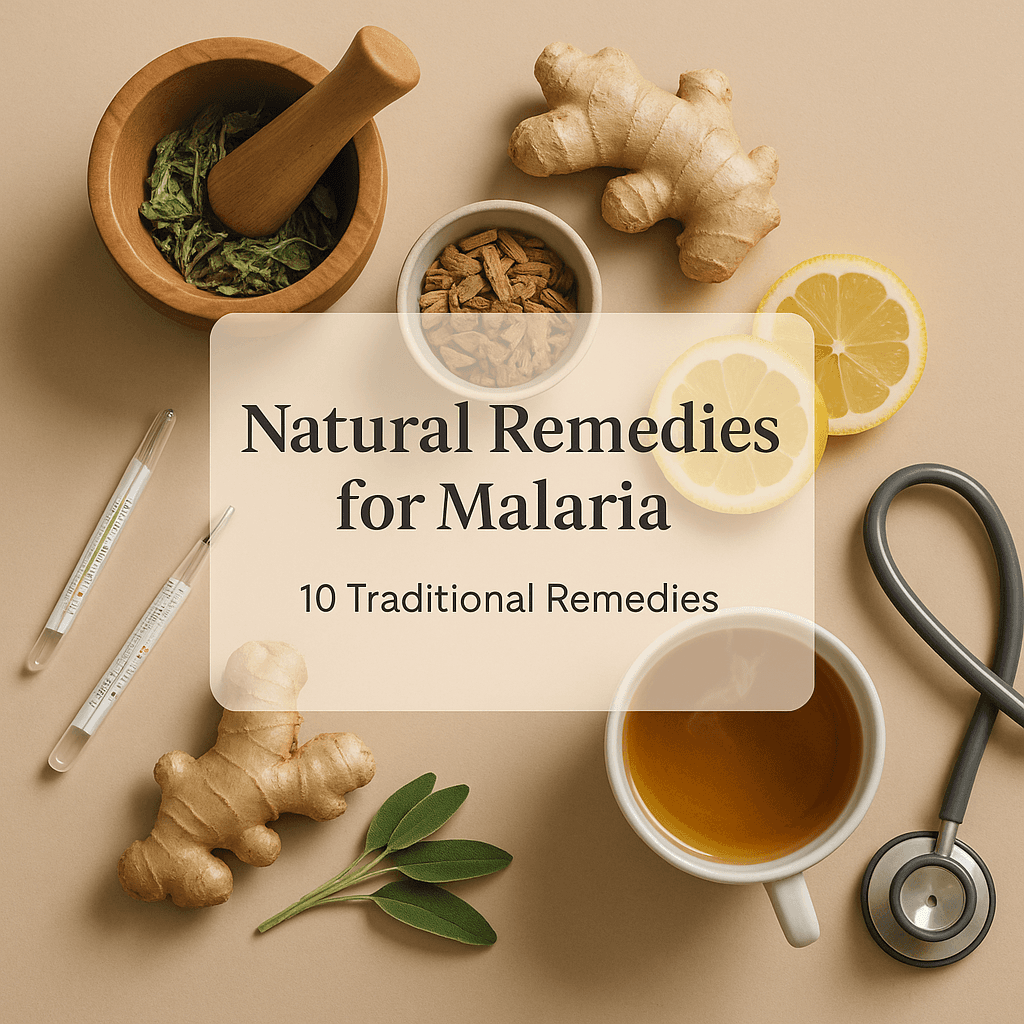
Natural Remedies for Malaria | No. 10 is the most effective on the list
Malaria is one of those illnesses that sounds old fashioned until you’ve actually seen it up close.
A fever that comes in waves. Chills so strong you can’t stop shaking. Headaches that sit behind your eyes. That weird, heavy weakness where even standing up feels like a project.
And here’s the tricky part. In many places where malaria is common, people don’t always have easy access to clinics, lab tests, or the right antimalarial medicines on day one. So what happens?
They do what humans always do. They use what they have.
Plants. Teas. Bitter barks. Steam baths. Foods that “cool the blood”. Traditional remedies handed down by parents, neighbors, and herbalists. Sometimes these are used while trying to get to medical care, sometimes they’re used because medical care isn’t available, and sometimes people use them after treatment to rebuild strength.
Before we get into the list, I need to say this clearly, and yeah it matters.
Understanding Malaria
Malaria is commonly caused by parasites transmitted through infected mosquito bites.
Common symptoms include:
- Fever
- Chills
- Headache
- Body weakness
- Joint pain
- Sweating
- Loss of appetite
- Vomiting
- Bitter taste in the mouth
Severe malaria can become dangerous quickly.
Why Many People Still Use Traditional Malaria Remedies
Many traditional herbs are still popular because people believe they support:
- Body strength
- Immune wellness
- Hydration
- Appetite recovery
- Fever support
- General recovery after illness
Some are also widely available and affordable.
Important note before we talk about remedies
Malaria can become severe and life threatening fast, especially in children, pregnant women, older adults, and anyone without immunity. Natural remedies are not a proven substitute for modern antimalarial treatment.
If malaria is suspected, the safest move is still:
- Get a diagnostic test (rapid test or microscopy) if possible.
- Start appropriate antimalarial medicine as soon as you can, guided by a clinician or local protocol.
- Go to emergency care immediately if there are danger signs.
Danger signs. Do not wait this out.
Seek urgent care if there’s any of this:
- Confusion, seizures, fainting, extreme drowsiness
- Trouble breathing, blue lips
- Repeated vomiting, inability to drink
- Yellow eyes or very dark urine
- Severe weakness, inability to sit or stand
- Bleeding, black stools
- Fever in a baby or toddler
- Any fever in pregnancy in a malaria area
Now. With that said.
This article is about traditional remedies people still use today in different regions. Some have interesting historical use. A few have early lab research around certain compounds. Many simply help with symptoms like nausea, dehydration, appetite loss, and fever discomfort.
And some are just… bitter plant medicine that people swear by.
Let’s get into it. Ensure you read to the end because the last solution is the most effective on the list
1. Artemisia annua (Sweet wormwood, Qinghao)
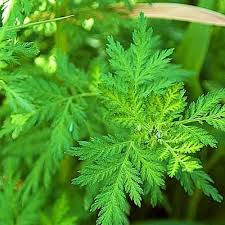
If you’ve ever read about malaria and plants, this one shows up immediately.
Artemisia annua is famous because it led to the discovery of artemisinin, one of the most important antimalarial compounds in modern medicine.
Traditional use (especially in parts of Asia) often involves:
- Tea/infusion from dried leaves
- Sometimes powdered leaf preparations
- Decoctions in traditional systems
How people use it traditionally
Most commonly as a bitter herbal tea during fever episodes. Some communities use it early when malaria is suspected, or alongside other herbs.
What to know
- Modern malaria treatment usually uses ACTs (Artemisinin based Combination Therapies), not Artemisia tea.
- WHO and many public health authorities do not recommend Artemisia tea as a replacement for tested antimalarial medicines. One big reason is dosing. It varies wildly and can contribute to treatment failure.
- If you are in a malaria zone and you can access ACTs, that’s still the main thing.
Still, in the real world, many people keep Artemisia around as a first response tea.
2. Neem (Azadirachta indica) (Dogoyaro in Yoruba)
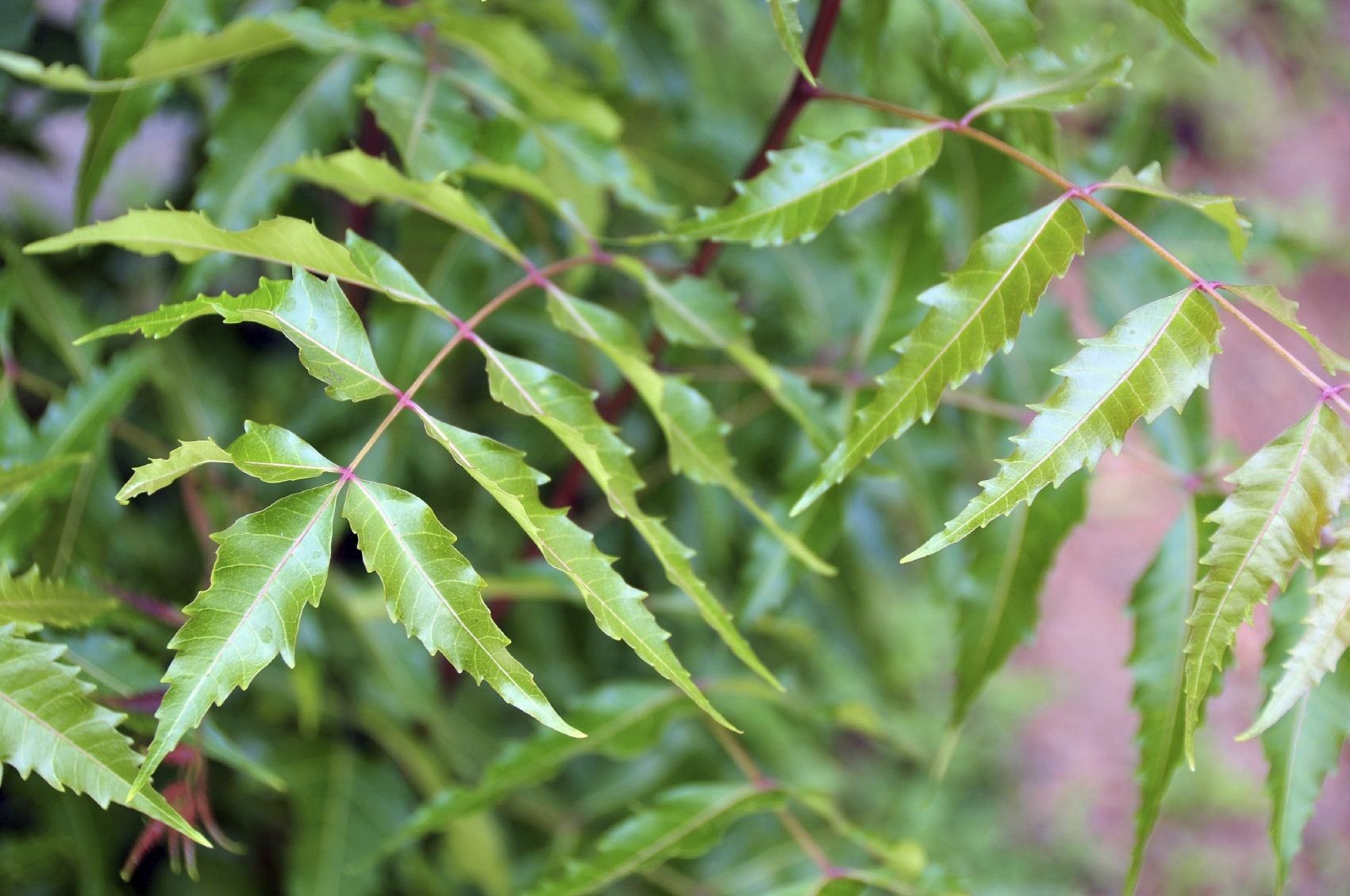
Neem leaves remain one of the most recognized traditional herbs for malaria support across Africa.
Many people grew up seeing neem trees around homes, schools, and streets.
Neem tea is traditionally associated with:
- Fever support
- Immune wellness
- Detox support
- Body cleansing
Traditional Preparation
- Wash fresh neem leaves
- Boil in water for 15 to 20 minutes
- Drink warm in small quantities
Because neem is naturally bitter, some people combine it with lime.
Need fresh neem leaves or herbal support ingredients? Order directly from RJB Store.
Neem is basically a household name in parts of India, Pakistan, Bangladesh, and across many tropical regions. it is called Dogoyaro in Yoruba, People use it for skin issues, dental hygiene, fevers, “blood cleansing”, and mosquito control.
Traditional neem approaches for malaria include:
- Neem leaf tea
- Neem bark decoction
- Neem leaf baths
- Neem smoke or neem based repellents to reduce mosquito bites
What people say it does
Neem is used as a fever remedy, and also as part of prevention routines because mosquitoes hate it.
A practical angle
Even if neem doesn’t “cure” malaria by itself, neem is often used in ways that can help reduce transmission in households:
- Neem oil in some traditional repellents
- Neem leaves burned or placed near sleeping areas in some communities
- Neem leaf washes used after sweating fevers
Safety note
Neem can be strong. High doses are not a casual thing, especially for children and pregnant women. If someone is pregnant, assume neem is not a safe “experiment”.
3. Cinchona bark (source of quinine)
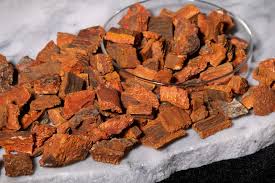
Cinchona bark is one of the classic historical malaria remedies. It became globally known because it contains quinine, which was used for centuries in malaria treatment. In south-west of Nigeria, it is usuall referred to as Kínín or Kìníkíní but when you get to the market to purchase they usually subtitute it with Egbẹsi which is the Yoruba name for Nauclea latifolia (also known as the Brimstone tree or African Peach)
Traditional preparation:
- Bark decoction (very bitter)
- Sometimes mixed with other herbs or sweeteners because, honestly, it’s hard to drink
What to know
- Quinine is a real antimalarial compound, but self dosing with cinchona bark is risky because potency varies.
- Quinine can cause side effects (tinnitus, nausea, vision disturbances). At high doses it can be dangerous.
- Modern quinine dosing is medical territory.
But yes, cinchona bark remains a traditional remedy in some areas and in herbal practice circles.
4. Papaya leaf (Carica papaya)
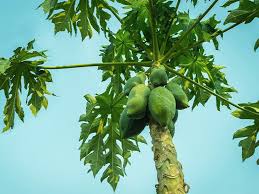
Papaya leaf is famous in folk medicine for fevers and for supporting platelet counts in dengue discussions, but people also use it in malaria contexts, especially for:
- Weakness after fever
- Poor appetite
- General “blood strengthening” beliefs
Traditional methods include:
- Fresh leaf juice (very bitter)
- Tea/decoction from leaves
- Sometimes mixed with honey, lime, or other herbs to make it tolerable
Why people keep using it
Because it’s accessible. A papaya tree grows in backyards across the tropics. When someone is sick, family members can prepare something fast without money.
Caution
Papaya leaf preparations can irritate the stomach. And if someone is vomiting a lot, forcing bitter juice can backfire.
5. Ginger (Zingiber officinale) and lemon tea for fever nausea
This one isn’t glamorous. It’s not some rare jungle bark. It’s kitchen medicine.
And yet, ginger tea is one of the most common supportive remedies people use during malaria like fevers because it can help with:
- Nausea
- Chills and “cold inside the bones” feeling
- Appetite suppression
- Mild aches
Traditional preparation
- Fresh ginger slices simmered in water 10 to 15 minutes
- Add lemon, sometimes honey, sometimes a pinch of salt
- Sip slowly
What it’s actually doing
Mostly symptom support. It does not kill malaria parasites in the way ACTs do. But if someone can keep fluids down and reduce vomiting, that can matter a lot while getting proper treatment.
Need fresh ginger delivered? Order directly from RJB Store.
6. Mast Tree Herbal Tea
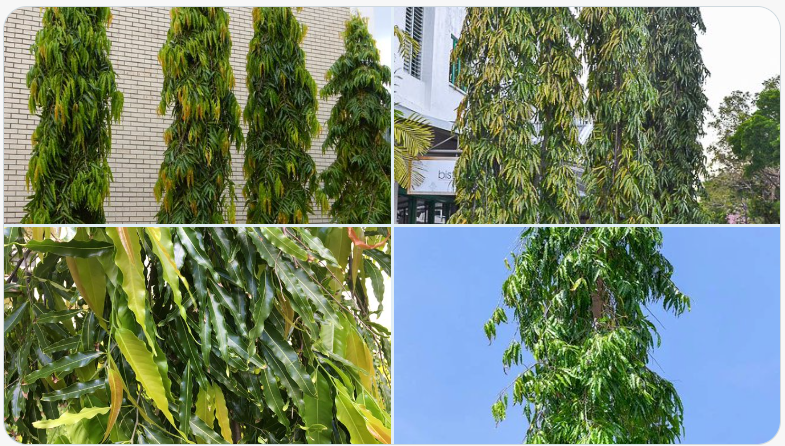
The mast tree is another traditional herbal plant commonly mentioned in malaria wellness discussions.
Many traditional herbal users believe it supports:
- Fever management
- Body recovery
- Wellness support during malaria episodes
Traditional Preparation
- Boil dried leaves in water
- Drink one teacup twice daily
This herb is often combined with other plants in stronger traditional decoctions.
Safety and reality check
Bitter leaf is widely used as food too (in soups), which gives it a cultural “safety” reputation. But concentrated juices can still be harsh on an already upset stomach.
Need fresh Mast tree leaves or herbal support ingredients? Order directly from RJB Store.
7. Guava leaf tea (Psidium guajava)
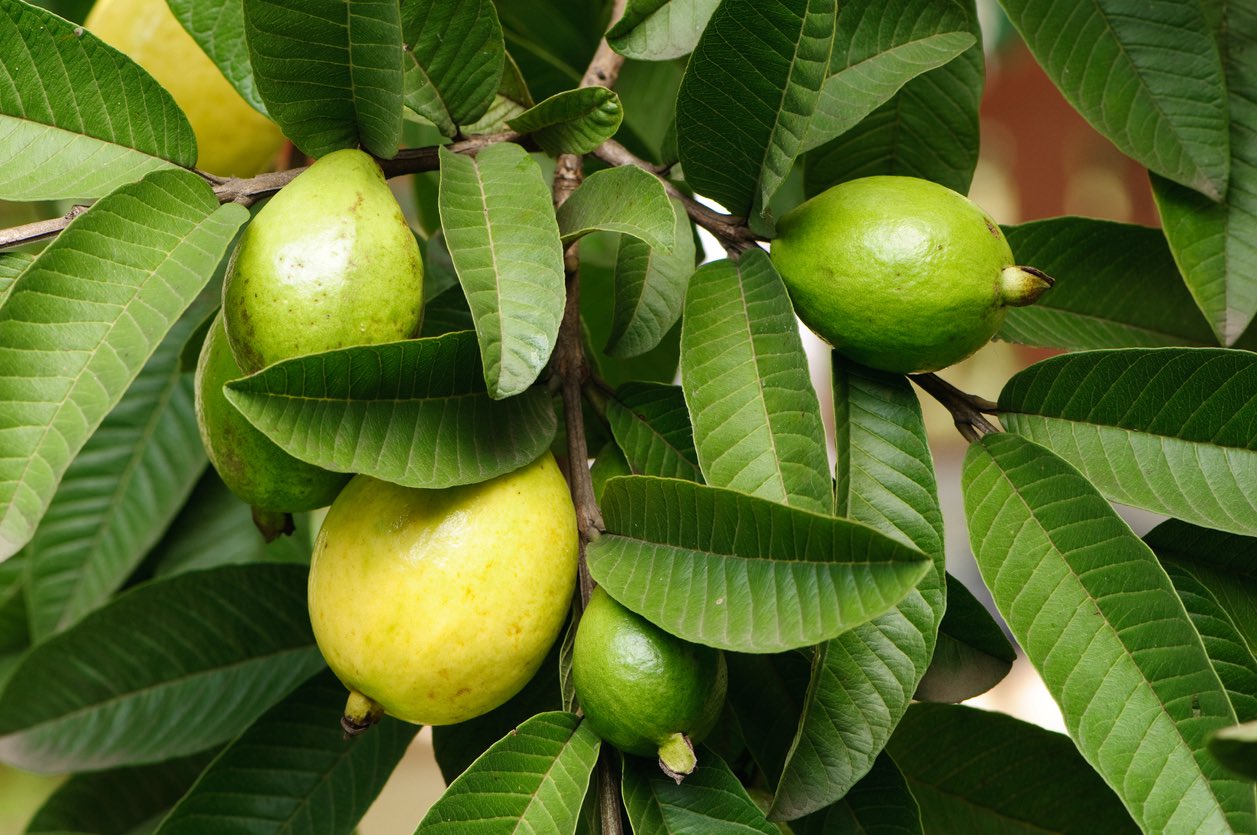
Guava leaf tea is one of those quiet remedies. People use it when there is:
- Diarrhea during fever illness
- Stomach cramps
- Nausea
- General weakness
Malaria can come with gastrointestinal symptoms, and even when it doesn’t, a high fever can mess with hydration and digestion. Guava leaves are used in many places as a gentle astringent tea.
Traditional preparation
- Wash a handful of guava leaves
- Boil 10 minutes
- Cool, drink small amounts through the day
What it may help with
Supportive care. Hydration. Possibly diarrhea control. It’s not an antimalarial cure, but it can help someone cope while they seek treatment.
Need fresh Guava leaves or herbal support ingredients? Order directly from RJB Store.
8. Lemongrass (Cymbopogon citratus)
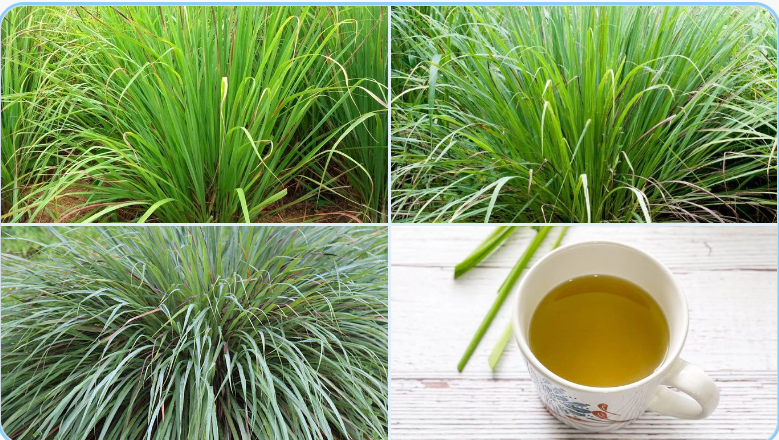
Lemon grass is one of the most common herbal teas in African wellness traditions.
It is widely used because of its refreshing scent and calming effect.
Traditionally associated with:
- Malaria support
- Fever
- Body pain
- Exhaustion
- Cold and cough
Traditional Preparation
- Boil fresh or dried lemon grass
- Allow to simmer for 15 to 20 minutes
- Drink one teacup twice daily
Some people combine it with ginger for a stronger blend.
Need fresh lemon grass delivered? Order directly from RJB Store.
Lemongrass is used across Africa, Southeast Asia, and Latin America as a fever tea. People reach for it because:
- It smells clean and calming
- It’s easy to drink compared to bitter barks
- It encourages fluid intake
- It’s used for headaches and body aches in folk practice
In addition to its uses for malaria, it's worth noting that some of these traditional remedies, including lemongrass, have also been explored for their potential benefits in treating other conditions such as typhoid fever. For instance, common plants used in the treatment of typhoid fever often share similar properties with those used for malaria treatment.
Traditional preparation
- Crush fresh lemongrass stalks
- Simmer 10 to 15 minutes
- Drink warm
Sometimes combined with ginger. Sometimes with cloves. Every household has their own version.
A small caution
If someone is dehydrated and sweating heavily, pure herbal teas without electrolytes can still leave them depleted. If possible, alternate with oral rehydration solution or lightly salted soups.
9. Andrographis paniculata (Kalmegh, “king of bitters”)
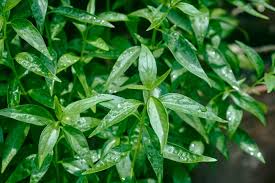
In Ayurveda and other Asian traditional systems, Andrographis paniculata is used for fevers and infections. It’s extremely bitter, like impressively bitter, the kind of bitter that makes people say “okay yeah, this is medicine”.
Traditional use includes:
- Powdered herb capsules in some settings
- Tea or decoction
- Combined formulas for fever
What people believe it does
“Breaks fever”, supports liver function, fights infection. It’s commonly used for colds and general febrile illness and gets pulled into malaria home management in some places.
Practical note
Because it’s bitter and strong, people often under dose it when making tea, or they abandon it after one cup. Which is part of the reason self treatment is so inconsistent.
10. Traditional Multi-Herb Malaria Decoction
This is the remedy many traditional herbal users consider the strongest combination on this list.
It combines several herbs commonly used in African wellness traditions.
Traditional Ingredients
- Neem leaves
- Mast tree leaves
- Lemon grass
- Mango leaves (optional)
- Noni leaves/Eruwo/Oruwo
- Cotton leaves
- Sliced lime
- Prekese(Aidan Fruit)
- Moringa leaves
- Guava leaves(optional)
- Andrographis paniculata (optional)
- Cinchona bark
You can click on any of them to get it directly from RJB Store and have them delivered to your doorstep.
Traditional Preparation
- Wash all ingredients properly
- Boil together for about 30 minutes
- Drink one cup three times daily before meals
Because this remedy combines several strong herbs, moderation is important.
Some people prepare large batches for family use during malaria outbreaks.
Need help sourcing these ingredients or preparing herbal wellness blends? Contact RJB Store on WhatsApp: +2348059522376
Bonus Malaria Herb/Solutions
Pawpaw Root and Negro Pepper Decoction
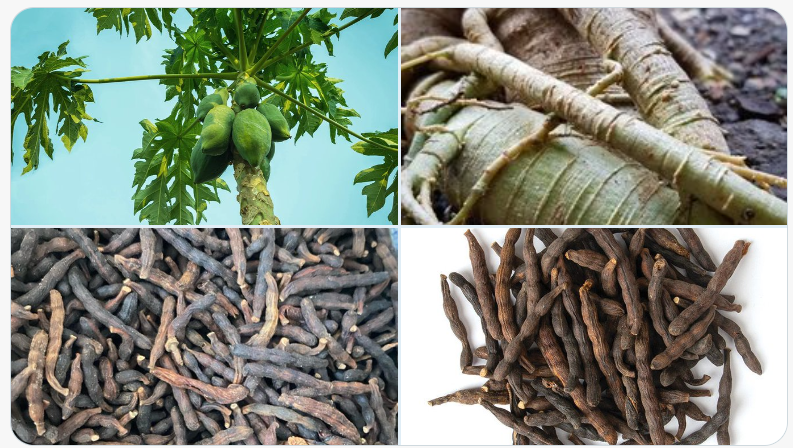
This remains one of the most widely used traditional malaria remedies in many African homes.
The combination of pawpaw root and negro pepper is traditionally used for:
- Malaria
- Body pain
- Fever support
- Waist pain
- General weakness
Traditional Preparation
- Wash fresh pawpaw roots properly
- Add negro pepper
- Boil together for 20 to 30 minutes
- Drink one teacup twice daily
The taste is usually strong and spicy.
You can order Negro Pepper and other herbal ingredients directly from RJB Store with doorstep delivery available.
Prefer a prepared herbal wellness blend instead? Contact RJB Store on WhatsApp: +2348059522376
Steam inhalation, herbal baths, and cooling cloth routines
This last one is not a plant. It’s a method. And it’s surprisingly common.
In many cultures, when fever hits, people do some combination of:
- Warm herbal baths (sometimes neem, eucalyptus, lemongrass, basil)
- Steam inhalation
- Cool damp cloth on forehead
- Frequent sponge wiping
- Resting in ventilated rooms
Why people do it
It’s immediate. It gives a sense of control when someone is burning up and miserable. And honestly, it can provide some relief, even if temporary.
The important safety bit
- Do not do extreme hot steam for children.
- Do not wrap someone in heavy blankets to “sweat out” a high fever if they’re already overheating.
- Watch for dehydration. Fever care is fluid care.
In severe malaria, fever management alone is not enough. But supportive comfort measures are part of what families rely on.

If someone has malaria or suspected malaria, and they’re waiting on transport, waiting on a test, or they already took medication and still feel awful, the following “basic” stuff can be the difference between spiraling and stabilizing.
Not exciting. Not mystical. Just real.
1) Hydration plus salts, not just water
High fever makes people sweat. Vomiting and diarrhea can happen too. Plain water helps, but electrolytes help more.
Options people use traditionally:
- Rice water with a pinch of salt
- Light soups and broths
- Coconut water
- Oral rehydration solution if available
2) Light food, small amounts
During malaria, appetite drops. People often force heavy meals. That can trigger vomiting.
Traditional gentle foods:
- Thin porridge
- Bananas
- Plain rice
- Soft cooked vegetables
- Clear soups
3) Rest and warmth management
Chills make people pile on blankets, then the fever spikes and they overheat.
A more balanced approach:
- Keep the person warm during chills
- Remove heavy layers when sweating starts
- Keep airflow reasonable
- Sponge wipe if fever is very high
4) Mosquito bite prevention, even while sick
If one person has malaria, mosquitoes can bite them and spread it to others. So prevention continues even inside the house:
- Sleep under insecticide treated nets if available
- Cover skin in the evening
- Reduce standing water
- Use repellents
Some traditional practices can be dangerous, and they still show up in real life. So it’s worth calling out:
- Kerosene or harsh chemicals rubbed on skin to “pull out fever”
- Extreme fasting during high fever illness
- Very high dose alcohol as “medicine”
- Unknown mixed herbs from unverified sources, especially for children or pregnancy
- Delay in seeking care because someone wants to “finish the herbal course” first
There’s a difference between supportive home care and gambling with severe disease.
It depends what you mean by “work”.
- If you mean kill malaria parasites reliably and prevent severe disease, natural remedies are not a dependable stand alone treatment.
- If you mean support the body, ease nausea, encourage fluids, reduce discomfort, help someone hold on until proper care is reached, then yes, many traditional approaches are used that way.
Also, some modern antimalarials have roots in plant medicine. Artemisinin and quinine are the obvious examples. But the key difference is consistency and dosing. Medicine is measured. Home brews are not.
Not a perfect list, but it’s practical.
- Do not self diagnose if a test is available. Malaria symptoms overlap with dengue, typhoid, flu, COVID, and other infections.
- Use home remedies as support, not replacement, unless there truly is no access to medical care. Even then, seek help as soon as it becomes possible.
- Avoid mixing too many strong bitter herbs at once. If vomiting starts, stop and focus on fluids.
- Be extra cautious with children and pregnancy. Doses, safety, and risks change completely.
- Watch for danger signs and treat them as emergencies.
- Artemisia annua (sweet wormwood) tea
- Neem leaf or bark preparations
- Cinchona bark decoctions (quinine source)
- Papaya leaf juice or tea
- Ginger and lemon tea
- Bitter leaf (Vernonia amygdalina)
- Guava leaf tea
- Lemongrass tea
- Andrographis paniculata (king of bitters)
- Herbal baths, steam, cooling cloth fever routines
People use traditional malaria remedies for a reason. They’re available. They’re familiar. They’re part of community knowledge, and in many places they’re what you reach for in the first 24 hours when someone spikes a fever and the nearest clinic is far away.
Foods and Drinks That Help During Malaria Recovery
During malaria recovery, many people struggle with weakness and appetite loss.
Focus on:
- Drinking enough water
- Light soups
- Fruits
- Soft foods
- Coconut water
- Vitamin-rich meals
Avoid dehydration.
Why Hydration Matters
Fever increases fluid loss.
Hydration supports:
- Recovery
- Energy
- Body balance
- General wellness
Drink water regularly during recovery.
Important Safety Tips
Natural remedies should support wellness, not replace urgent medical treatment.
Seek immediate medical attention if you experience:
- Difficulty breathing
- Severe weakness
- Confusion
- Persistent vomiting
- High fever
- Convulsions
- Loss of consciousness
Pregnant women and children should be especially careful.
Can Herbal Remedies Replace Malaria Medication?
Many people combine traditional wellness practices with medical care.
But severe malaria requires proper medical attention.
Traditional herbs are commonly used for:
- Wellness support
- Recovery support
- Appetite support
- Fever comfort
- Body strength
Do not ignore serious symptoms.
Need Herbal Ingredients or Wellness Support?
At RJB Store, we help customers source natural wellness ingredients and herbal support blends based on individual needs.
You can:
- Order individual herbs
- Request consultation
- Get herbal ingredient support
- Ask about prepared wellness blends
Contact us on WhatsApp:
+2348059522376
Final Thoughts
Traditional malaria remedies remain part of wellness practices in many African homes today.
From neem leaves and lemon grass to pawpaw roots and multi-herb decoctions, these remedies continue to attract attention because of their long history in traditional wellness support.
The goal should always be balance.
Support your body naturally. Stay hydrated. Rest properly. Eat well. Seek medical care when needed.
And most importantly, pay attention to your symptoms early.
FAQs
XStore Team
Store updates, product guides, and practical buying advice from the XStore team.
Discussion
Replies stay threaded so conversations read cleanly.
Comments (0)
No comments yet. Be the first to reply.