Why Blessing CEO Is Trending, Cancer Claims, Fundraising, and Rising Doubts
Why Blessing CEO Is Trending, Cancer Claims, Fundraising, and Rising Doubts
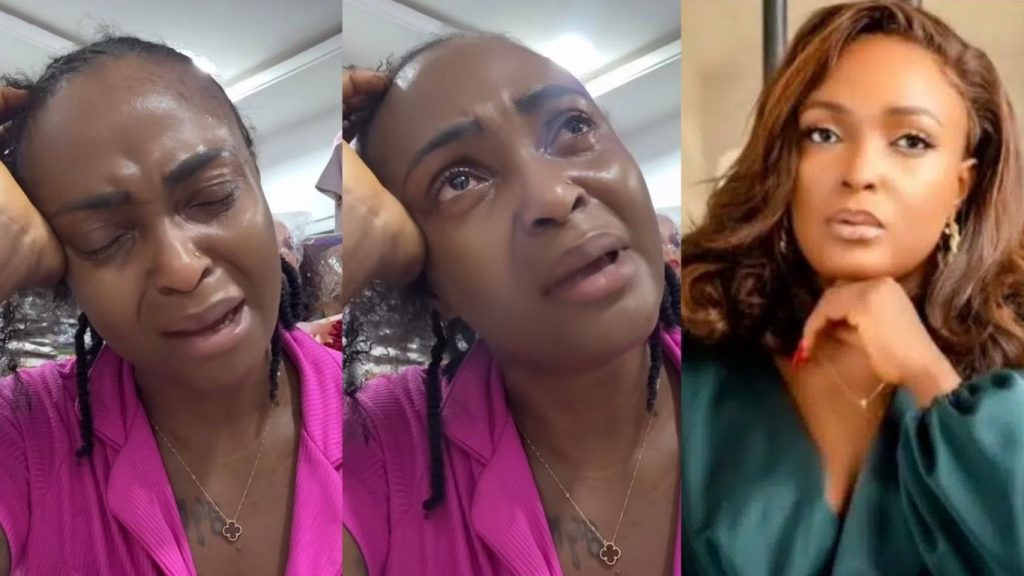
 Blessing CEO is trending across Nigerian social media after announcing that she has stage 4 breast cancer and needs financial support for treatment.
In her posts, she said doctors advised urgent removal of her left breast as part of her care plan. She also shared that she is selling personal items and assets, including a house, wigs, and a luxury car, to raise money.
But almost immediately, the story became bigger than the fundraising itself. Online, many Nigerians began asking hard questions about medical accuracy, proof, and whether public sympathy is being exploited. The debate has also revived old arguments about influencer credibility and the damage health misinformation can cause.

What Blessing CEO Said (And What People Heard)
The core claims that pushed the story into the spotlight are straightforward:
- She says she has stage 4 breast cancer.
- She says the next step involves urgent removal of her left breast.
- She says she needs financial help for treatment.
- She says she is also raising funds by selling personal assets.
From a public reaction standpoint, the details mattered. Many people did not just hear “I’m sick.” They heard a specific diagnosis and a specific treatment plan. That specificity is part of why the internet response quickly shifted from sympathy to verification.
A Quick Timeline of How the Story Spread
1) Initial announcement of stage 4 cancer
Blessing CEO’s first posts about having stage 4 breast cancer circulated rapidly, amplified by blogs, repost pages, and quote-tweets.
2) Public fundraising appeal begins
Alongside the announcement came a request for support, with many users interpreting it as a crowdfunding-style appeal.
3) Conflicting statements about treatment
As more clips and screenshots spread, some viewers said they noticed inconsistencies in the way the condition and treatment were described.
4) Social media backlash and scrutiny
Skeptical posts began to trend almost as much as the original claim, with calls for medical evidence and clearer documentation.
The Medical Part: Why “Stage 4” Triggered So Many Questions
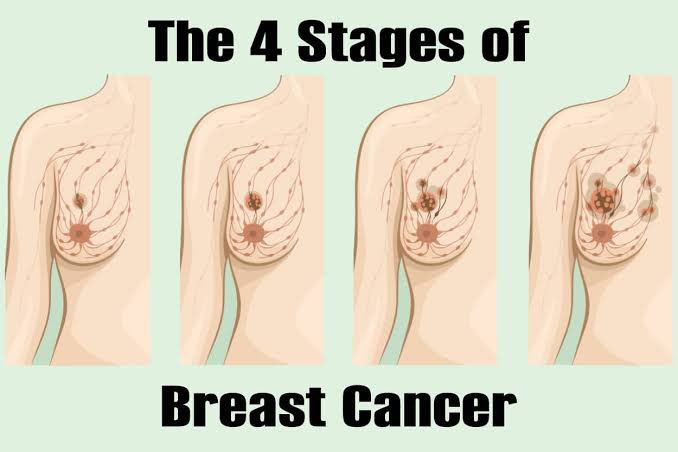
A major reason Nigerians are skeptical is that “stage 4” is widely understood, even outside medical circles, as cancer that has spread beyond the breast to other parts of the body.
In simple terms:
- Stage 4 breast cancer usually means the cancer has metastasized, meaning it has spread to distant organs or tissues such as bone, liver, lungs, or brain.
This is where many online commentators say her wording raised questions. Some people believe the way “urgent removal of the left breast” was framed sounds more like how the public commonly discusses earlier-stage breast cancer, even though surgery can still be part of stage 4 care in certain situations.
Is surgery ever done in stage 4 breast cancer?
Yes, it can be, but context matters. In many standard care discussions, stage 4 is often described as treated with systemic therapy (treatment that affects the whole body), such as:
- chemotherapy
- hormone therapy (for hormone-receptor-positive cancers)
- targeted therapy (for cancers with certain markers, such as HER2)
- immunotherapy (for certain subtypes)
However, it's important to understand what stage 4 breast cancer really entails. Surgery may be considered in specific scenarios, such as:
- controlling a painful or infected breast tumor
- reducing bleeding or ulceration
- selected cases where doctors aim to reduce local tumor burden as part of a broader plan
That nuance is exactly what social media debates tend to flatten. Online, people often interpret “stage 4” as “no surgery makes sense,” while others respond that “doctors can still recommend surgery.” Both arguments can sound convincing without medical documents that clarify the exact situation.
Important note: Only her treating team can explain why a specific plan was recommended, and the public currently does not have access to detailed medical documentation.

What People Say Is Missing: Tests, Reports, and Clarity
Another major point in the backlash is that modern cancer diagnosis is typically supported by documented testing.
Common steps used to confirm and stage breast cancer often include:
- Physical examination and clinical history
- Imaging such as ultrasound, mammogram, CT scan, MRI, or PET scan (depending on the case)
- Biopsy, where a sample is taken and examined in a lab to confirm cancer type
- Pathology reports that can include receptor status (such as ER/PR and HER2)
- Additional tests to assess whether and where the cancer has spread
Because “stage 4” is a staging conclusion, some Nigerians are asking: what tests established the stage, and what exactly did doctors find?
So far, much of the public discussion suggests she has not shared detailed medical reports publicly. Supporters argue she has a right to privacy. Critics argue that once a public fundraising appeal is made, transparency becomes part of the ethical responsibility, especially in a climate where online scams are common.
Why Nigerians Are Skeptical (Beyond Medicine)
The medical questions are only one layer. The other layer is trust.
Many commenters tie their doubts to her previous online persona and reputation for controversial content. In Nigeria’s influencer culture, audiences often keep a “memory” of past behavior, and that history shapes how new claims are judged.
In simple terms, the reaction looks like this:
- If an influencer is known for controversy, audiences demand a higher burden of proof.
- If money is involved, audiences demand even more proof.
- If the claim is medical and emotionally charged, the scrutiny becomes intense.
This does not prove anything about her diagnosis. But it helps explain why the reaction is so polarized.
What Evidence Has She Provided?
From the publicly circulating conversation, the evidence being debated is mainly:
- her own statements and videos
- screenshots of posts about selling assets
- the fundraising appeal itself
Many critics say the key missing piece is a verifiable medical summary. Many supporters respond that demanding documents from a sick person is cruel and intrusive.
Both sides are reacting to real issues:
- Nigeria has real medical fundraising needs.
- Nigeria also has real fraud and manipulation risks online.
That tension is why this story is not fading quickly.
The Fundraising Ethics Question: What Does the Public Owe, and What Does the Influencer Owe?
Online fundraising for medical care is increasingly common, especially where insurance coverage is limited and out-of-pocket costs can be crushing.
But crowdfunding works on one main currency: trust.
When a public figure asks for money, people typically want clarity on:
- the diagnosis (what exactly is it?)
- the treatment plan (what is being paid for?)
- the budget (how much is needed and why?)
- accountability (who receives the funds, and how is spending tracked?)
Without those details, even legitimate cases can attract doubt, and that doubt can spill over into cruelty.
The best practice many donors look for
This is not a legal rule, but it is often what donors expect:
- a hospital letter (with sensitive details redacted if needed)
- a treatment cost estimate or invoice
- a named hospital/clinic and country of treatment
- a third-party handler (trusted person or organization)
- updates that show progress and spending transparency
Again, none of this proves a claim is true or false. It simply explains why the public reaction often shifts from emotion to audit mode.
The Misinformation Risk: How Viral Health Claims Affect Real Patients
One of the most important parts of this story is not Blessing CEO herself, but what the conversation can do to the public understanding of cancer.
When health claims trend without clear context, several things can happen:
- People learn the wrong information about staging and treatment.
- Real patients get pressured to “prove” their illness to be believed.
- Scams become easier because audiences get trained to respond emotionally.
- Genuine fundraising becomes harder because donors grow cynical.
Breast cancer patients and advocates have repeatedly raised concerns online that misinformation makes their lives harder. Even small misunderstandings, like confusing “stage 4” with “always hopeless” or “always curable,” can influence how families make decisions and how communities respond.
Influencer Responsibility: What Changes When You Have a Large Audience?
Influencers are not doctors. But when a public figure speaks about serious illness, the scale of the audience changes the impact.
At minimum, audiences often expect:
- careful wording (especially with medical staging)
- avoiding absolute claims that sound like universal medical advice
- clarity when money is requested
- corrections when misinformation spreads in the comments
This is where some critics place their strongest argument: if you can mobilize the public for funds, you can also provide a clear and consistent explanation that reduces confusion.
What Happens Next: The Two Outcomes People Are Watching For
Right now, the story sits in a contested space. The public is watching for one of two broad outcomes:
1) More documentation and clarity
If she provides clearer medical confirmation (even with privacy protections), the debate may cool and shift back toward support.
2) More inconsistencies and rising backlash
If conflicting statements continue without clarification, skepticism may harden, and the story may become a cautionary tale about online fundraising.
A Broader Reality Check: Nigeria’s Medical Fundraising Boom
Even outside influencer culture, medical fundraising is rising. Many families rely on:
- community contributions
- church and mosque donations
- WhatsApp broadcast appeals
- social media crowdfunding
That makes verification a constant challenge. People want to help, but they also want protection from deception.
Blessing CEO’s situation has become a high-profile example of that national tension: compassion versus caution.
Shop With Crypto: RJBWorld
If you are looking for a practical example of crypto being used for everyday payments, RJBWorld markets itself as the first marketplace that accepts cryptocurrency as a payment method.
You can now shop with USDC here: https://store.rjbworld.org
The Bottom Line
Blessing CEO is trending because her stage 4 cancer announcement, fundraising appeal, and stated treatment plan collided with a skeptical online environment.
The doubts are being driven by two things at the same time: questions about medical consistency and questions about trust.
Until clearer evidence is shared publicly, the debate is likely to continue, and the bigger impact may be the conversation it forces Nigeria to have about transparency, responsibility, and how the public should respond when serious health claims go viral.
FAQs (Frequently Asked Questions)
Who is Blessing CEO and what health condition did she announce on Nigerian social media?
Blessing CEO is a public figure trending across Nigerian social media after announcing that she has stage 4 breast cancer and needs financial support for treatment.
What specific medical claims did Blessing CEO make regarding her breast cancer diagnosis and treatment plan?
She stated that she has stage 4 breast cancer, was advised by doctors to urgently remove her left breast as part of her care plan, and is seeking financial help for treatment while selling personal assets to raise funds.
Why has Blessing CEO's announcement about stage 4 breast cancer triggered skepticism and debate online?
The term 'stage 4' typically means the cancer has metastasized beyond the breast to other organs, making urgent breast removal less common. This inconsistency, lack of detailed medical evidence, and public fundraising appeal have led many Nigerians to question the accuracy and authenticity of her claims.
Is surgery commonly performed in cases of stage 4 breast cancer?
While systemic therapies like chemotherapy and hormone therapy are standard for stage 4 breast cancer, surgery such as removal of the breast can be considered in specific situations like controlling painful tumors or reducing local tumor burden as part of a broader treatment plan. However, such decisions depend on individual circumstances assessed by the treating medical team.
What medical documentation is typically used to confirm and stage breast cancer, and has Blessing CEO shared these publicly?
Breast cancer diagnosis and staging usually involve physical exams, imaging tests (ultrasound, mammogram, CT scan, MRI), biopsy with pathology reports including receptor status, and assessments for metastasis. Blessing CEO has not publicly shared detailed medical reports or test results related to her diagnosis.
What are the main points of contention among Nigerians regarding Blessing CEO's public fundraising appeal for her cancer treatment?
Critics demand transparency through medical evidence to verify her claims due to concerns about misinformation and influencer credibility. Supporters emphasize her right to privacy. The debate highlights broader issues about health misinformation's impact and the need for clarity when public sympathy is solicited for medical fundraising.

FAQs
XStore Team
Store updates, product guides, and practical buying advice from the XStore team.
Discussion
Replies stay threaded so conversations read cleanly.
Comments (0)
No comments yet. Be the first to reply.