Why Ochanya Is Trending Again, The Return of Winifred and Renewed Calls for Justice
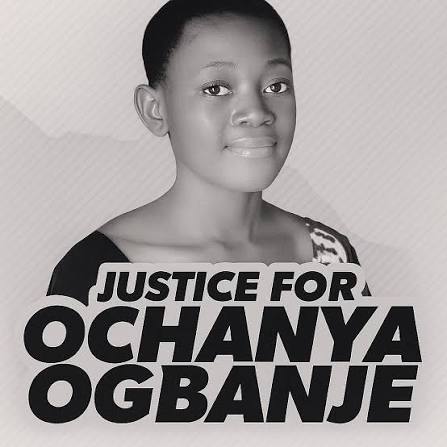
Why Ochanya Is Trending Again, The Return of Winifred and Renewed Calls for Justice
 Ochanya Ogbanje’s name has never fully left Nigeria’s public memory. But this week, it is back in the center of national conversation, tied once again to grief, anger, and the question many people still ask: how did a case with such heavy allegations end with an acquittal?
The new spark is Winifred, an influencer linked to the Ochanya case, returning to Twitter after about six months away. Her return revived the hashtag #JusticeForOchanya, and reopened arguments Nigerians have carried since 2018.
This time, the criticism is more specific. Many people say they are not angry because Winifred failed to report the abuse. They say they are angry because she did not testify against her father in court, and they believe that decision mattered.

Why Winifred Is Trending Now
Winifred’s reappearance online would normally be ordinary internet drama. It is not ordinary because of what her name represents in this context.
Nigerians have been revisiting:
- Ochanya’s reported years of abuse inside the household
- Her death in 2018
- The 2022 court judgment that cleared her father, Andrew Ogbuja
- The fact that her mother, Felicia Ogbuja, was convicted, but only for negligence, and served five months
- The fact that her brother, Victor Ogbuja, who was also accused, escaped custody after being re-arrested and is still at large
For many people, the case feels unfinished. Winifred’s return simply gave the public a face to attach to a system they believe failed.
A Short Timeline That Explains the Anger
The broad timeline is painful, and it is central to why the conversation keeps resurfacing.
- Abuse reportedly began when Ochanya was a child
- It allegedly continued for years inside the home
- Ochanya died in 2018
- The court ruling came in 2022, with the father acquitted
- The trend revived after Winifred returned online
People are reacting now because the return looks, to some, like an attempt to move on without accountability. Others argue it is unfair to demand public suffering from someone who did not commit the crime. Both views are now colliding online.
What Ochanya Allegedly Suffered, In Plain Terms
Reports over the years described prolonged sexual abuse within the household. They also described severe health damage.
One of the most cited medical consequences in the public retelling is Vesicovaginal Fistula (VVF).
VVF is a condition where an abnormal opening forms between the bladder and the vagina. In simple terms, it can cause constant leakage of urine and serious infections. In Nigeria, it is often linked to prolonged obstructed childbirth without proper care, but it can also be linked to trauma, including sexual violence. Such trauma can have devastating effects on a young person's health.
When people mention VVF in Ochanya’s story, they are pointing to prolonged injury and prolonged neglect. Even without debating every detail, the presence of such a condition in a young person raises questions that are hard to ignore.

The Court Outcome That Still Doesn’t Sit Right With the Public
In 2022, a Makurdi High Court acquitted Andrew Ogbuja. The judgment held that the prosecution did not prove the case beyond reasonable doubt.
That phrase is one of the most misunderstood legal standards in public debate.
What “beyond reasonable doubt” really means
It does not mean “beyond any doubt.” It means the evidence must be strong enough that a reasonable person would have no logical reason to doubt guilt.
In criminal trials, especially where the penalty is severe, courts are required to be strict. If the evidence is inconsistent, poorly presented, or key witnesses do not testify, the court may have no legal basis to convict, even if the public believes the person is guilty.
This is where the Ochanya case continues to hurt. Many Nigerians believe the moral truth was clear, but the legal proof did not land.
Why Was the Father Acquitted Despite Allegations?
From public reports, several issues kept coming up in discussions around the acquittal:
1) The prosecution burden was not met
The case was prosecuted by NAPTIP (National Agency for the Prohibition of Trafficking in Persons). The court ruled the proof did not reach the required legal threshold.
That ruling does not necessarily declare that abuse never happened. It means the case, as presented, did not meet the standard required for a criminal conviction.
2) Conflicting medical narratives were part of the public conversation
One of the most troubling parts of the story is that there were said to be conflicting autopsy reports.
- A hospital report reportedly listed natural causes
- A police report reportedly pointed to causes linked to abuse
When medical evidence is inconsistent, the defense can use that gap. In sexual abuse cases, medical clarity matters because the court wants objective support for testimony.
3) Witness testimony can make or break sexual abuse trials
Sexual violence cases often rely on witness accounts, medical records, timelines, and credibility. If key witnesses do not testify, or if testimony is weak under cross examination, prosecutors struggle.
This is where public anger has focused on Winifred.
What Role Did Winifred Play, Or Fail to Play?
Winifred is not on trial. She is being judged in the court of public opinion, and the core accusation is simple:
Many Nigerians believe she could have strengthened the case if she testified against her father.
The criticism is not mainly that she did not “speak online.” People are saying she did not “speak in court.”
That distinction matters because courtroom testimony is evidence. Online statements are not the same. A trial is built on sworn evidence that can be tested.
Still, there is another uncomfortable reality people sometimes skip.
Why family testimony is complicated
Testifying against a parent is not a normal act. It can involve:
- fear of retaliation
- family pressure and threats
- shame and stigma
- financial dependence
- religious and community influence
- a desire to avoid becoming the next target
None of this excuses silence if silence shields harm. But it explains why the decision is emotionally and socially difficult, especially in a system where witness protection is often weak.
This complexity underscores the need for robust support systems for victims and witnesses in such cases. As outlined in the Social Workers' Ethical Responsibilities to Clients, professionals in this field have a duty to advocate for their clients' safety and well-being, which includes ensuring they feel secure enough to speak out against their abusers. This is where accountability becomes more than anger. If people believe testimony was needed, then the system should be questioned for not ensuring witnesses can speak safely.
What Happened to Other Family Members Named In The Case?
The public often remembers one name, but the case involved multiple people.
Felicia Ogbuja (mother)
She was sentenced to five months in prison for negligence. In plain terms, the court found she failed in her duty of care.
That conviction has also fueled anger because many see it as too light compared to the alleged harm.
Victor Ogbuja (brother)
He was accused as well. Reports say he fled custody after being re-arrested and remains at large.
For many Nigerians, this reinforces the belief that the state did not treat the matter with the seriousness it required.
Public Anger vs Legal Technicalities
Nigeria has seen many moments where the public is convinced about what happened, but the courts reach a different conclusion.
This gap is where trust breaks down.
People feel they watched a child suffer and then watched the system negotiate with procedure. Courts, on the other hand, are built to avoid wrongful convictions. They follow rules even when those rules feel cold.
The hard truth is this: both concerns can be valid at the same time.
But the outcome leaves a question Nigeria keeps returning to.
If the public believes abuse was real, and the court says the case was not proven, where exactly did the system fail?
- investigation quality?
- evidence handling?
- medical documentation?
- prosecution strategy?
- witness management?
- delays and adjournments?
- pressure and intimidation?
Without clear answers, people look for individuals to blame. That is part of why Winifred is now in the center of the storm.

Social Media Justice Movements, And Why They Keep Returning
Hashtags like #JusticeForOchanya reflect a pattern in Nigeria.
People push cases online because they believe:
- public attention forces institutions to act
- silence protects powerful people
- media pressure can reopen investigations
- victims get dignity through visibility
But social media also has a weakness: it can collapse complex legal cases into heroes and villains. That makes it easier to express anger, and harder to build solutions.
This is why the “Winifred conversation” keeps looping. It is emotionally satisfying to focus on an individual. It is harder to focus on:
- how prosecution teams can be better trained
- how forensic evidence can be preserved
- how to support child witnesses
- how to improve witness protection
- how to fund shelters and legal aid
The hashtag is not wrong. It is incomplete if it stops at dragging one person.
What “Justice” Would Look Like Today
For people asking “what now?” there are realistic possibilities, and also hard limitations.
1) Accountability for Victor Ogbuja’s escape
If someone accused in a high profile case escapes custody and remains missing, that is a state failure. The public deserves a clear update.
Where is the manhunt? Who was responsible for his custody? Were there internal sanctions?
2) A transparent review of how the case was prosecuted
If the court said the case was not proven beyond reasonable doubt, then the prosecution’s process should be scrutinized.
This is not revenge. It is quality control.
3) Better systems for child abuse reporting and protection
Ochanya’s story keeps resurfacing because it reminds families of what can happen when abuse is kept inside the home.
Justice is also prevention:
- child protection hotlines that work
- safe shelters with funding
- medical staff trained to document abuse properly
- faster trial timelines
- psychological support for survivors and witnesses
4) Honesty from public figures linked to the case
People are not demanding perfection. They are demanding clarity.
If Winifred believes she did what she could, she can explain what she did, what she feared, and what she regrets. Not in vague posts, but in a direct, accountable way.
That does not mean she owes strangers every detail of her trauma or family dynamics. It means if her platform benefits from public attention, she cannot be surprised when the public asks hard questions about a case they see as unresolved.
A Note On The Call To Stop Targeting Winifred
In November last year, Ochanya’s elder sister appeared on TVC and asked Nigerians to stop targeting Winifred and the family.
That plea matters. It suggests the family itself recognizes how online pressure can turn into harassment.
There is a difference between demanding accountability and creating a cycle of abuse around the conversation. People can ask:
- why did key witnesses not testify?
- was there intimidation?
- did the prosecution do enough?
Without turning the discussion into threats, doxxing, or mob behavior.
Accountability should not become cruelty.
Where This Leaves Nigeria
Ochanya is trending again because a familiar wound has been touched.
A child allegedly suffered for years. There was a recorded statement attributed to her before death. There were medical claims that sounded consistent with trauma and neglect. Yet a court acquitted the person many believed was responsible.
When the law closes a case but the public does not feel closure, the case becomes a symbol. That is what Ochanya has become.
And Winifred’s return to Twitter reminded people that symbols do not fade when justice feels incomplete.
If You’re Reading This And You Want To Help
People often ask what they can do beyond tweeting.
- Support credible child protection and survivor support organizations in Nigeria.
- Push for better funding for forensic medicine and legal aid.
- Demand public accountability when suspects escape custody.
- Encourage safer reporting channels in schools, churches, and communities.
And when you talk about Ochanya, keep the focus where it belongs: on protecting children, improving prosecutions, and making it harder for abusers to hide behind family walls.
Shop With Crypto While You’re In Nigeria Or Abroad
If you are looking for a practical place to spend cryptocurrency on real products, you can now shop with cryptocurrency in Nigeria and across the globe at Xstore in rjbworld: https://shop.rjbworld.org
The Point Nigerians Keep Making
People are not resurrecting Ochanya’s story because they enjoy outrage.
They are doing it because they believe a child’s suffering should not end in a technical defeat.
If Winifred’s presence online has restarted this conversation, the best outcome would not be another week of insults.
The best outcome would be renewed pressure for the part Nigeria can still control: stronger investigations, safer witnesses, better prosecutions, and real consequences for anyone who helps an accused person disappear.
FAQs (Frequently Asked Questions)
Who is Winifred and why is she trending in relation to the Ochanya Ogbanje case?
Winifred is an influencer linked to the Ochanya Ogbanje case who recently returned to Twitter after about six months away. Her return revived the hashtag #JusticeForOchanya and reignited national conversations in Nigeria about the unresolved issues surrounding Ochanya's reported abuse, death in 2018, and the controversial court rulings involving her family members.
What were the key events in the timeline of the Ochanya Ogbanje case?
The timeline includes years of reported abuse starting from Ochanya's childhood, her death in 2018, a court judgment in 2022 that acquitted her father Andrew Ogbuja, conviction and five months served by her mother Felicia Ogbuja for negligence, and the escape of her brother Victor Ogbuja who was also accused and remains at large. The case continues to evoke strong emotions and debates in Nigeria.
What kind of abuse did Ochanya reportedly suffer and what medical condition is highlighted in public discussions?
Ochanya reportedly endured prolonged sexual abuse within her household which caused severe health damage. A significant medical consequence discussed publicly is Vesicovaginal Fistula (VVF), a condition causing abnormal openings between the bladder and vagina leading to constant urine leakage and infections. VVF can result from trauma such as sexual violence, highlighting prolonged injury and neglect in Ochanya's case.
Why was Andrew Ogbuja, Ochanya's father, acquitted despite heavy allegations?
Andrew Ogbuja was acquitted by a Makurdi High Court in 2022 because the prosecution failed to prove the case beyond reasonable doubt—a strict legal standard requiring strong evidence that leaves no logical reason to doubt guilt. Issues such as inconsistent evidence, poor presentation, and lack of key witness testimony contributed to the court's decision not to convict despite public belief in his guilt.
What does 'beyond reasonable doubt' mean in the context of criminal trials like this one?
'Beyond reasonable doubt' means that the evidence must be so convincing that a reasonable person would have no logical reason to doubt the accused's guilt. It does not mean absolute certainty beyond any doubt. Courts apply this high standard especially when penalties are severe, ensuring convictions only occur when proof is legally sufficient.
Why do many Nigerians feel that justice has not been served in the Ochanya Ogbanje case?
Many Nigerians believe that although moral truth points toward guilt, legal proof was insufficient for conviction. The acquittal of Andrew Ogbuja despite heavy allegations, short sentence for Felicia Ogbuja for negligence, and Victor Ogbuja's escape from custody contribute to perceptions of an unfinished case and a failed justice system. Winifred’s recent online return has intensified these feelings by putting a human face on systemic failures.

FAQs
XStore Team
Store updates, product guides, and practical buying advice from the XStore team.
Discussion
Replies stay threaded so conversations read cleanly.
Comments (0)
No comments yet. Be the first to reply.