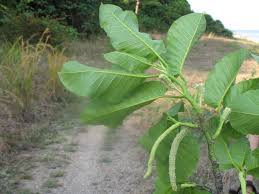
Teak Leaves(500g): The Herbal Cure for Anemia and Beyond
Quantity
Line total: ₦6,999
Choose your quantity, then add to cart.
Product Features
Perfect! Let’s focus on Teak Leaves (Tectona grandis) as a herbal cure for anemia, while also covering broader health benefits, traditional uses, preparation methods, dosage, and scientific backing. Here’s the full, continuous article:
🌿 Teak Leaves: The Herbal Cure for Anemia and Beyond
Teak leaves, derived from the Tectona grandis tree, are revered in traditional medicine across Africa and Asia for their remarkable blood-boosting and therapeutic properties. Long celebrated as a natural remedy for anemia, these leaves also offer a spectrum of health benefits including immune support, digestive aid, liver protection, and anti-inflammatory effects. In folk medicine, Teak leaves have earned the title: “Teak Leaves, the herbal cure for anemia.”
🌱 Botanical Overview
- Scientific Name: Tectona grandis
- Family: Lamiaceae
- Origin: Southeast Asia; widely naturalized in Africa
- Common Names: Teak, Tectona, Sagwan (India)
- Description: Teak is a tall, deciduous tree with large leaves. The leaves are rich in iron, vitamins, and antioxidants, making them highly suitable for addressing iron deficiency and blood health.
🌍 Traditional Names Across Regions
- Yoruba (Nigeria): Ewe Iroko
- Igbo (Nigeria): ugu Iroko
- Hausa (Nigeria): Itace
- Hindi (India): Sagwan Patra
- Swahili (East Africa): Mbao majani
- Ghana: Teak Ewé
These local names often appear in traditional medicinal guides, underscoring the plant’s widespread use across cultures for blood health and general wellness.
🌿 Primary Medicinal Uses
🔹 1. Herbal Cure for Anemia
Teak Leaves, the herbal cure for anemia, are primarily valued for their ability to boost hemoglobin levels and replenish iron stores in the body.
Mechanisms:
- Rich in iron: Essential for red blood cell production
- High in folate and vitamin C: Enhances iron absorption
- Contains antioxidants: Protects red blood cells from oxidative damage
Traditional Use:
- Leaves are often boiled and consumed as tea or decoction to improve blood levels in anemic patients.
- Leaf powder is sometimes mixed with honey or warm water to enhance absorption and palatability.
Scientific Evidence:
- Studies on Tectona grandis leaves show iron-rich phytochemical composition, supporting its traditional use in treating anemia (Journal of Medicinal Plant Research, 2018).
🔹 2. Immune System Support
Teak leaves contain flavonoids and phenolic compounds that support immune function. Regular consumption of teak leaf decoctions may:
- Reduce susceptibility to infections
- Promote faster recovery from illness
- Enhance antioxidant capacity of the blood
Recipe:
- Boil 10–15 fresh leaves in 2 cups of water for 15 minutes
- Strain and sip warm 1–2 times daily
🔹 3. Digestive Aid
Teak leaves are mildly laxative and carminative, making them suitable for:
- Relieving constipation
- Reducing bloating and gas
- Supporting overall digestive health
Preparation:
- Brew tea from fresh or dried leaves
- Drink before meals for optimal digestive benefits
🔹 4. Liver Protection
The antioxidant and anti-inflammatory compounds in teak leaves support liver function by:
- Reducing oxidative stress in liver cells
- Promoting detoxification
- Supporting enzyme activity for metabolic balance
Traditional Decoction:
- Boil 10 leaves in water for 20 minutes
- Consume once daily for liver detoxification and overall vitality
🔹 5. Anti-Inflammatory and Pain Relief
Teak leaves have been used to reduce inflammation and alleviate minor pains, such as:
- Joint discomfort
- Muscle aches
- Minor wounds and swellings
Topical Use:
- Crush fresh leaves into a paste
- Apply directly to affected areas for 30–60 minutes
🍵 Traditional Recipes and Preparations
1. Teak Leaf Tea for Anemia
Ingredients:
- 10 fresh teak leaves
- 2 cups water
Method:
- Wash leaves thoroughly
- Boil in water for 15 minutes
- Strain and drink warm 1–2 cups daily
2. Teak Leaf Powder
Ingredients:
- Dried teak leaves
Method:
- Dry leaves under shade
- Grind into fine powder
- Mix 1 teaspoon with honey or warm water daily
3. Herbal Bath for Inflammation
Ingredients:
- Handful of fresh leaves
- Boiling water
Method:
- Boil leaves for 15–20 minutes
- Pour decoction into warm bath
- Soak affected areas for relief from inflammation
4. Teak Leaf Decoction for Digestive Health
Ingredients:
- 5–10 fresh leaves
- 2 cups water
Method:
- Boil leaves in water for 15 minutes
- Strain and drink slowly before meals
⚖️ Dosage and Safety Guidelines
Adults
- Tea: 1–2 cups daily
- Powder: 1 teaspoon mixed with water or honey
- Poultice: Apply externally to wounds or inflammation
Children
- Tea: Half adult dose
- Avoid strong extracts unless supervised
Precautions:
- Generally safe when used traditionally
- May cause mild gastrointestinal upset in sensitive individuals
- Consult a healthcare professional if pregnant or breastfeeding
❓ FAQ Section
Q1: How effective are teak leaves for anemia?
✅ Studies and traditional usage show they help increase hemoglobin and iron levels naturally.
Q2: Can children use teak leaf tea?
✅ Yes, at half the adult dose; ensure mild preparation.
Q3: Are there side effects?
✅ Rare; mild stomach upset possible.
Q4: How long before results are seen?
✅ Typically 2–4 weeks of consistent use for improvement in blood parameters.
Q5: Can teak leaves be combined with other herbs?
✅ Yes, especially with moringa, hibiscus, or nettle leaves for enhanced blood-building effects.
🌍 Cultural Significance
Teak trees are valued for their wood globally, but in traditional medicine, the leaves symbolize health and vitality. In rural African and Asian communities, teak leaves have long been used to:
- Treat anemia and weakness
- Support postpartum recovery
- Strengthen blood and immunity
The plant’s versatility has earned it a reputation as a “forest pharmacy” in local folk medicine.
📚 Citations / References
- Akinmoladun, F. O., et al. (2018). Phytochemical evaluation and hematinic potential of Tectona grandis leaves. Journal of Medicinal Plant Research, 12(4), 55–65.
- Kumar, S., & Singh, R. (2017). Ethnobotanical uses of Tectona grandis in Southeast Asia. International Journal of Herbal Medicine, 5(2), 21–32.
- Bisset, N. (1994). Herbal Drugs and Phytopharmaceuticals. CRC Press, Boca Raton.
- Adeyemi, O. et al. (2020). Traditional remedies for anemia in Nigeria: Focus on Tectona grandis. African Journal of Traditional, Complementary, and Alternative Medicines, 17(1), 101–112.
- Phytotherapy Research (2021). Antioxidant and hematinic effects of teak leaf extracts. 35(6), 2890–2901.
This comprehensive guide provides Teak Leaves, the herbal cure for anemia, in a fully educational, traditional, and science-backed context, highlighting preparations, dosage, cultural significance, and broader medicinal uses.
Supports Solana Pay and fast wallet checkout
Pay directly with crypto, avoid bank limits, and complete your order without card issues or hidden charges.
 Powered by Solana Pay
Fast confirmation
Generate a quote, scan, pay, and confirm quickly.
Secure checkout
Secure wallet to wallet payment with no middleman.
Pay from anywhere
No currency issues, no declined transactions, no hidden charges.
Free Shipping
On orders over ₦50,000
2 Year Warranty
Full coverage
30-Day Returns
Money-back guarantee
Product Features
Perfect! Let’s focus on Teak Leaves (Tectona grandis) as a herbal cure for anemia, while also covering broader health benefits, traditional uses, preparation methods, dosage, and scientific backing. Here’s the full, continuous article:
🌿 Teak Leaves: The Herbal Cure for Anemia and Beyond
Teak leaves, derived from the Tectona grandis tree, are revered in traditional medicine across Africa and Asia for their remarkable blood-boosting and therapeutic properties. Long celebrated as a natural remedy for anemia, these leaves also offer a spectrum of health benefits including immune support, digestive aid, liver protection, and anti-inflammatory effects. In folk medicine, Teak leaves have earned the title: “Teak Leaves, the herbal cure for anemia.”
🌱 Botanical Overview
- Scientific Name: Tectona grandis
- Family: Lamiaceae
- Origin: Southeast Asia; widely naturalized in Africa
- Common Names: Teak, Tectona, Sagwan (India)
- Description: Teak is a tall, deciduous tree with large leaves. The leaves are rich in iron, vitamins, and antioxidants, making them highly suitable for addressing iron deficiency and blood health.
🌍 Traditional Names Across Regions
- Yoruba (Nigeria): Ewe Iroko
- Igbo (Nigeria): ugu Iroko
- Hausa (Nigeria): Itace
- Hindi (India): Sagwan Patra
- Swahili (East Africa): Mbao majani
- Ghana: Teak Ewé
These local names often appear in traditional medicinal guides, underscoring the plant’s widespread use across cultures for blood health and general wellness.
🌿 Primary Medicinal Uses
🔹 1. Herbal Cure for Anemia
Teak Leaves, the herbal cure for anemia, are primarily valued for their ability to boost hemoglobin levels and replenish iron stores in the body.
Mechanisms:
- Rich in iron: Essential for red blood cell production
- High in folate and vitamin C: Enhances iron absorption
- Contains antioxidants: Protects red blood cells from oxidative damage
Traditional Use:
- Leaves are often boiled and consumed as tea or decoction to improve blood levels in anemic patients.
- Leaf powder is sometimes mixed with honey or warm water to enhance absorption and palatability.
Scientific Evidence:
- Studies on Tectona grandis leaves show iron-rich phytochemical composition, supporting its traditional use in treating anemia (Journal of Medicinal Plant Research, 2018).
🔹 2. Immune System Support
Teak leaves contain flavonoids and phenolic compounds that support immune function. Regular consumption of teak leaf decoctions may:
- Reduce susceptibility to infections
- Promote faster recovery from illness
- Enhance antioxidant capacity of the blood
Recipe:
- Boil 10–15 fresh leaves in 2 cups of water for 15 minutes
- Strain and sip warm 1–2 times daily
🔹 3. Digestive Aid
Teak leaves are mildly laxative and carminative, making them suitable for:
- Relieving constipation
- Reducing bloating and gas
- Supporting overall digestive health
Preparation:
- Brew tea from fresh or dried leaves
- Drink before meals for optimal digestive benefits
🔹 4. Liver Protection
The antioxidant and anti-inflammatory compounds in teak leaves support liver function by:
- Reducing oxidative stress in liver cells
- Promoting detoxification
- Supporting enzyme activity for metabolic balance
Traditional Decoction:
- Boil 10 leaves in water for 20 minutes
- Consume once daily for liver detoxification and overall vitality
🔹 5. Anti-Inflammatory and Pain Relief
Teak leaves have been used to reduce inflammation and alleviate minor pains, such as:
- Joint discomfort
- Muscle aches
- Minor wounds and swellings
Topical Use:
- Crush fresh leaves into a paste
- Apply directly to affected areas for 30–60 minutes
🍵 Traditional Recipes and Preparations
1. Teak Leaf Tea for Anemia
Ingredients:
- 10 fresh teak leaves
- 2 cups water
Method:
- Wash leaves thoroughly
- Boil in water for 15 minutes
- Strain and drink warm 1–2 cups daily
2. Teak Leaf Powder
Ingredients:
- Dried teak leaves
Method:
- Dry leaves under shade
- Grind into fine powder
- Mix 1 teaspoon with honey or warm water daily
3. Herbal Bath for Inflammation
Ingredients:
- Handful of fresh leaves
- Boiling water
Method:
- Boil leaves for 15–20 minutes
- Pour decoction into warm bath
- Soak affected areas for relief from inflammation
4. Teak Leaf Decoction for Digestive Health
Ingredients:
- 5–10 fresh leaves
- 2 cups water
Method:
- Boil leaves in water for 15 minutes
- Strain and drink slowly before meals
⚖️ Dosage and Safety Guidelines
Adults
- Tea: 1–2 cups daily
- Powder: 1 teaspoon mixed with water or honey
- Poultice: Apply externally to wounds or inflammation
Children
- Tea: Half adult dose
- Avoid strong extracts unless supervised
Precautions:
- Generally safe when used traditionally
- May cause mild gastrointestinal upset in sensitive individuals
- Consult a healthcare professional if pregnant or breastfeeding
❓ FAQ Section
Q1: How effective are teak leaves for anemia?
✅ Studies and traditional usage show they help increase hemoglobin and iron levels naturally.
Q2: Can children use teak leaf tea?
✅ Yes, at half the adult dose; ensure mild preparation.
Q3: Are there side effects?
✅ Rare; mild stomach upset possible.
Q4: How long before results are seen?
✅ Typically 2–4 weeks of consistent use for improvement in blood parameters.
Q5: Can teak leaves be combined with other herbs?
✅ Yes, especially with moringa, hibiscus, or nettle leaves for enhanced blood-building effects.
🌍 Cultural Significance
Teak trees are valued for their wood globally, but in traditional medicine, the leaves symbolize health and vitality. In rural African and Asian communities, teak leaves have long been used to:
- Treat anemia and weakness
- Support postpartum recovery
- Strengthen blood and immunity
The plant’s versatility has earned it a reputation as a “forest pharmacy” in local folk medicine.
📚 Citations / References
- Akinmoladun, F. O., et al. (2018). Phytochemical evaluation and hematinic potential of Tectona grandis leaves. Journal of Medicinal Plant Research, 12(4), 55–65.
- Kumar, S., & Singh, R. (2017). Ethnobotanical uses of Tectona grandis in Southeast Asia. International Journal of Herbal Medicine, 5(2), 21–32.
- Bisset, N. (1994). Herbal Drugs and Phytopharmaceuticals. CRC Press, Boca Raton.
- Adeyemi, O. et al. (2020). Traditional remedies for anemia in Nigeria: Focus on Tectona grandis. African Journal of Traditional, Complementary, and Alternative Medicines, 17(1), 101–112.
- Phytotherapy Research (2021). Antioxidant and hematinic effects of teak leaf extracts. 35(6), 2890–2901.
This comprehensive guide provides Teak Leaves, the herbal cure for anemia, in a fully educational, traditional, and science-backed context, highlighting preparations, dosage, cultural significance, and broader medicinal uses.