Level Up: He failed medical school. Now he helps global founders communicate clearly
"My advice for early-stage founders is: get one senior comms advisor, not necessarily a full firm, and build a small internal comms function first"

Promoted
Your Business Needs More Than a Website.
Custom software, automation, web apps, mobile apps and business systems built around how you work.
Build digital systems around the way your business operates.
Explore Software Services
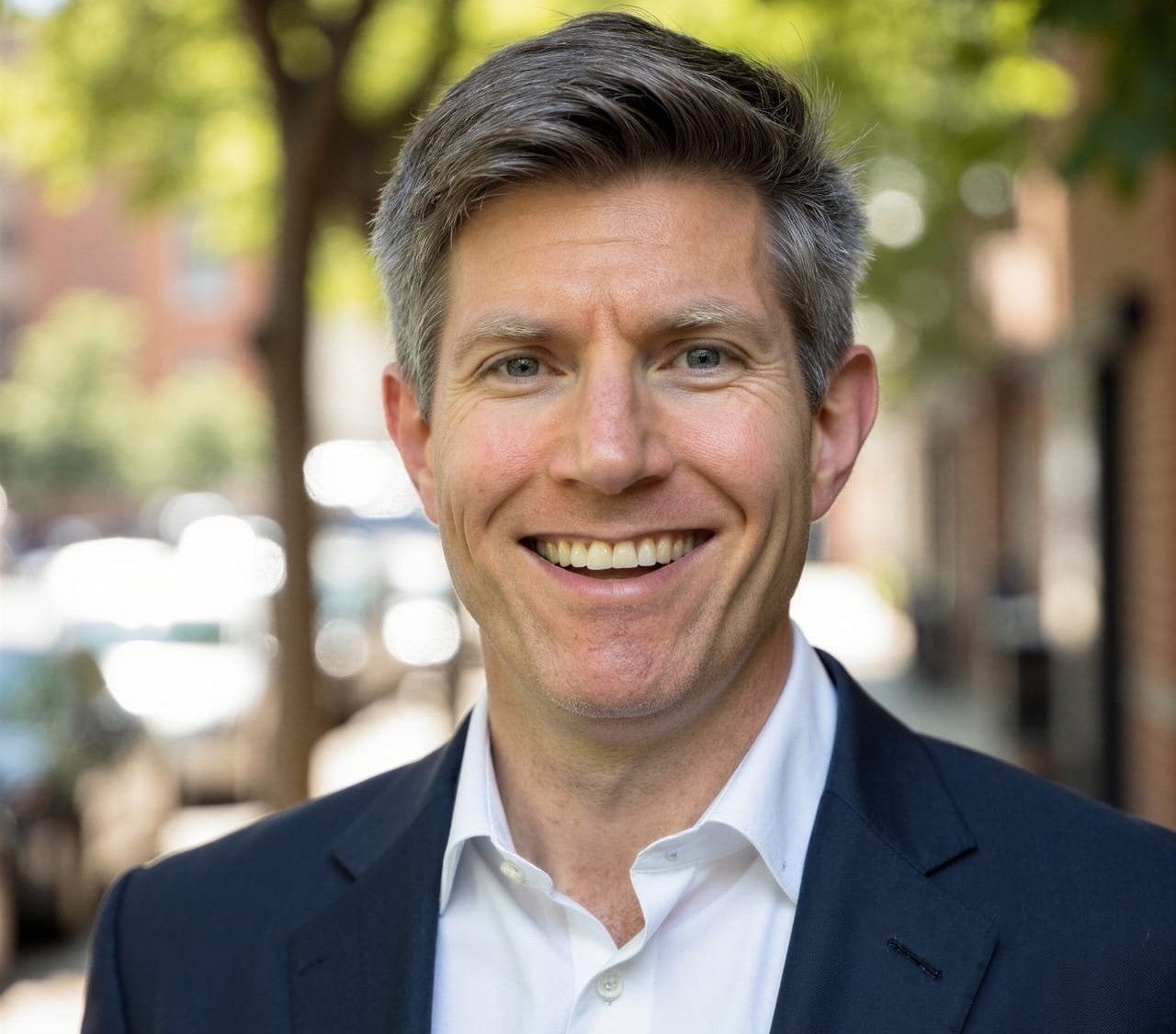
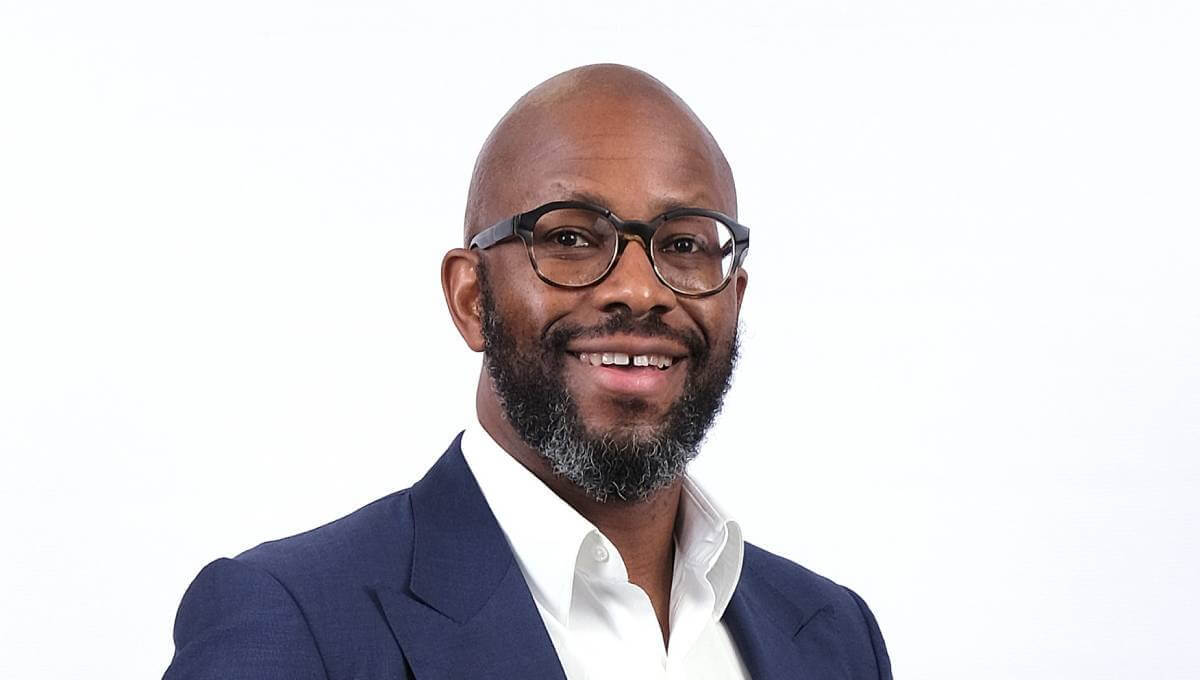
In this edition of Level Up, we spotlight Nosike Nwigene, who has worked as a spokesperson for notable startups, the UN, and the World Bank for close to a decade.
In this conversation, he shares how his friend Peter Bunor sent him a link to apply for a global PR firm, and he casually did; how he was expelled from medical school; his experience handling communication for founders, what they get wrong about PR; and how to turn a negative brand narrative around.
What’s a surprising thing that’s happened in your career?
I don’t have a degree in mass communication or any media-related field. People assume I do. My path was writing, marketing, and hands-on experience instead, and it got me into rooms people with the “right” degree sometimes don’t get into. If you put the work in front of people and let them see it, that often matters more than what you studied.
What was the moment you knew PR was the career for you?
There wasn’t a single moment, if I’m honest. I’ve always been a reader and a writer from childhood. My mum studied English, and my dad, a doctor, used to make us pick random books from her library and summarise them before he got home from work. That’s where the reading and writing habit came from, and it never left me.
Through school, I gravitated toward anything that needed writing, whether it was event marketing copy or blog posts. My first tech role was actually web copywriting, filling content into websites people had built. So writing was always my way in.
The real shift happened when I joined Insider PR, a global communication firm. That’s where I had to build proper communications skills on top of the writing, things like pitching, media training, and styles. I started as a digital engagement specialist, essentially managing executives’ social media and helping them speak in their own voice, and rose to account manager over seven or eight years.
Two moments stand out for me. The first was at an e-commerce startup, The BuzzerNG, when my boss paid for a social media certification for me in London. I fought her on it at the time; I thought I already knew what I was doing.
But that’s when I started seeing social media as an actual profession, not just posting and going. The second was a friend, Peter Bunor, sharing the Insider PR job posting with me on WhatsApp. I didn’t even fully register what I was applying for until the interview.
Tell me a story about an event that shaped you professionally.
I was in medical school. Second year. I come from a medical family; my dad and both my sisters are doctors, so this was a big deal. I got an E in a course I shouldn’t have, and it was enough to get me and a few others removed.
I didn’t know what to do with my life after that. But looking back, two things had already been quietly building in the background: I’d always been a writer, and I’d always been a networker, doing marketing, events, and outreach on the side.
After graduating from the University of Abuja, I did a stint in research and corporate strategy at the National Pension Commission, writing media briefs for the Director General, reading ten newspapers a day and summarising the news. In hindsight, I was already doing versions of what I do now.
What’s an actual strategy for turning around poor public perception?
No two clients have the same problem, even within the same subsector, so there’s no single script. But there’s a framework.
Say a founder or startup comes to us mid-crisis, an employee dispute that’s gone public, for instance. The first step is an independent panel or internal structure to establish what actually happened. As the PR side, we’re not judge and jury; we’re not even always getting the full truth, but our job is to push for honesty, the same way a doctor needs a patient to be honest to treat them properly.
Once we have a clear picture of the what, where, how, and why, legal gets involved to figure out what can actually be said and to whom. There are multiple audiences in a crisis: consumers, regulators, investors, and the media, and each needs something slightly different.
Then it becomes about getting the story out through the right channel, usually an exclusive interview where the founder is prepped, legal is present, and the goal is clarity over defensiveness. The typical arc is this is what happened, this is what we did to fix it, this is who was held accountable, and this is how we make sure it doesn’t happen again.
“Never waste a crisis” is a golden rule in PR. How do you handle a crisis?
One example I can point to is the “bad bosses in tech” moment on Twitter (now X) a few years back, when a wave of employees started calling out poor working conditions at startups. What struck me was how predictable the dynamic was: employees see themselves as victims, bosses see themselves as non-aggressors, and neither budges.
The founders who handled it badly went defensive, denied everything, and attacked the employee’s character. The ones who handled it well said, essentially, “We’re not perfect; we hear this; we’re reviewing our practices; here’s what we’re doing about it.”
That kind of statement does two things: it shows accountability, and it gives you room to redirect the conversation back to the product. That’s the real opportunity in a crisis. Bad news travels faster than good news, so once the spotlight is on you anyway, use it.
What are the biggest messaging mistakes tech leaders make?
Founders talk to the ecosystem the way they talk to themselves, which is, ‘My product is the most important thing in the world.’ And to be fair, sometimes it is. But they’re not trained to highlight the things other people in the ecosystem actually care about: churn, staff feedback, and numbers. They speak in “me, me, me, us, us”, and it doesn’t land with an outside audience.
That comes from spending so much time perfecting the product that they tune out signals from everywhere else. It’s usually founders without professional comms support, or without an internal marketing and comms team, who fall into this the most.
What’s one thing founders get wrong about PR?
They think it’s transactional and instant, like journalists are on standby to publish whatever they’re told. There’s often an education gap; founders who’ve worked at bigger global companies tend to understand the pitching, outreach, and editorial process better than those who haven’t. Everyone else assumes visibility should just happen because their startup is interesting. It’s not that simple, and managing that expectation is a big part of the job.
When should a startup start engaging PR professionals?
I don’t think “when” is the right question, honestly. Good comms talent is scarce, and the ones who exist are usually snapped up by companies who can pay well. My advice for early-stage founders is: get one senior comms advisor, not necessarily a full firm, and build a small internal comms function first —content, newsletters, basic pitching, and podcast appearances. You don’t need to be at Condia’s level from day one.
The bigger point is that visibility has an outsized effect on how much you raise. Two founders with identical products and traction: the one with more visibility raises more. VCs do due diligence on founder visibility, not just the product, because they’re investing in the narrative too.
By the time you’re talking to global investors for a Series A or B, if they can’t find you anywhere, that becomes a red flag. That should tell you something about how seriously later-stage companies take this.
How do you manage your relationship with journalists? What do PR professionals and journalists get wrong about each other?
My first responsibility is always to the journalist, because journalists and PR people rely on the same thing: good narratives, well distributed. Before I ever pitch someone, I ask myself why a publication’s audience should care. If I can’t answer that, I don’t pitch it.
I stay in touch with journalists even when I’m not pitching anything, checking in, talking about football, or reading their work. Fridays are when I do most of my relationship-building calls, because everyone’s calmer heading into the weekend.
Over time, that consistency means when I do bring a story, it gets a hearing, because I’ve built credibility rather than just transacting.
On what we get wrong about each other: some journalists assume every PR person is a paid hack pushing pay-to-play stories, when a lot of what we pitch is genuinely editorial value we’d bring even without representing the company. On the flip side, PR people sometimes think journalists are like personal contacts who’ll run anything on request, when really they have their own editorial judgement and constraints to answer to.
If I had to boil thirteen years down to one thing: networks and narratives. Narratives are good stories, well distributed through the right channels. Networks are relationships, kept proactively, not just when you need something.
The way I keep both alive is by constantly exchanging value with journalists, with regulators, with other founders, even when there’s nothing in it for me immediately. If a founder needs an introduction to a regulator, or a journalist needs an expert source, I can usually make that happen because I’ve built that credibility over years, not because I’m owed anything.
You played a role in the Nigeria Startup Act. What did that process teach you about the gap between policy intent and what actually happens for founders on the ground?
This goes back to when Max.ng got caught up in a regulatory ban that also affected other startups in that space. I was junior on that account at Insider PR at the time, and I remember being furious watching it unfold. That frustration is part of what pulled me into tech policy.
I ended up working comms for Ventures Platform, which was the secretariat for what was then the Nigerian Startup Bill. Being in those rooms taught me that you can’t walk into government engagement angry.
Regulators aren’t the enemy; they’re often just working with an outdated understanding of what these companies actually do. Once you explain the technical and business reality clearly, without jargon, they tend to be far more flexible than founders expect.
The bill wasn’t perfect; no country builds it in a day, but it was a first step, and it showed that innovators and regulators can sit at the same table and both genuinely want the best outcome for the country, even if they don’t always see eye to eye.
If your career were a movie, what would you title it, and why?
“Doing Is Winning.” I didn’t have a roadmap. I was just a busybody, picking up skills wherever I could and being proactive about getting into rooms, then making sure I didn’t waste the opportunity once I was there. Without a conventional communications degree, that approach got me into spaces that people with master’s degrees sometimes don’t reach.